
Truck Brake Repair: Warning Signs Your Brakes Need Attention

BDM Heavy Vehicle Repairs • November 25, 2026

Truck brakes are essential for controlling heavy vehicles, particularly when carrying loads, travelling long distances or navigating steep roads. Warning signs such as reduced stopping power, unusual noises, air pressure problems or uneven braking can indicate that your truck needs immediate attention.


At BDM Heavy Vehicle Repairs, we provide truck brake repair and inspections as part of our truck repairs Port Macquarie service. Our diesel mechanic team works across trucks, buses and heavy machinery, helping operators identify braking problems before they become serious safety or compliance concerns.

Quick answer: which brake warning signs mean a truck needs attention now?

A truck needs immediate attention if its brakes feel weak, take longer to respond, pull to one side or produce unusual grinding noises. Low air pressure warnings, persistent air leaks and brake system fault indicators are also reasons to stop and investigate.


These symptoms can indicate worn components, air system faults or problems affecting braking performance. Continuing to operate a heavy vehicle with suspected brake defects puts drivers and other road users at risk.


If your truck displays these warning signs, stop somewhere safe and arrange a professional assessment before continuing your journey. A qualified heavy vehicle technician can determine whether repairs are required and whether the vehicle is safe to operate.

What are the warning signs your truck brakes need attention?

Brake problems aren't always immediately obvious. Some develop gradually as components wear, while others appear suddenly during normal operation.

Common warning signs include


  • Reduced braking performance: The truck takes longer than usual to stop or requires noticeably more braking effort.
  • Grinding or squealing noises: Unusual sounds during braking may indicate worn friction materials, damaged components or other mechanical problems.
  • Low air pressure warnings: Warning lights, alarms or difficulty maintaining normal air pressure can indicate a fault within the air brake system.
  • Uneven braking: The vehicle pulls to one side when braking, potentially indicating uneven brake operation or component wear.
  • Excessive air leakage: Persistent hissing or unexpected pressure loss may indicate damaged hoses, fittings, valves or other air system components.
  • Brake overheating: Unusual heat or burning smells around the wheels may indicate dragging brakes, excessive friction or another developing fault.
  • Brake system warning lights: ABS or other braking system fault indicators require investigation.
  • Unusual vibration: Shuddering during braking may indicate problems with brake discs, drums or related components.


These symptoms don't always identify the exact cause. A professional truck brake inspection helps determine which components need attention.

For fleet managers, encouraging drivers to report changes in braking performance can also help identify developing faults between scheduled services.

How do truck air brakes actually work?

Truck air brakes use compressed air to operate the braking system rather than relying solely on hydraulic pressure, as many light vehicles do.


An engine-driven compressor supplies compressed air, which is stored in reservoirs. When the driver applies the service brakes, controlled air pressure operates brake chambers that activate the braking mechanisms at the wheels.


Depending on the vehicle, these mechanisms may use drum or disc brakes. Many heavy vehicles also incorporate spring-operated parking and emergency braking systems.


Because compressed air is essential to normal service brake operation, maintaining adequate pressure and preventing leaks is particularly important.


Truck air brakes also contain components that require specialist inspection, including brake chambers, valves, hoses, slack adjusters and mechanical linkages.


Our heavy vehicle technicians assess these systems according to the vehicle's design, manufacturer requirements and applicable inspection standards.

Why do truck brakes fail?

Truck brakes can fail or become less effective because of component wear, inadequate maintenance, air system faults or excessive heat.


Heavy vehicles place substantial demands on their braking systems. Frequent stopping, heavy loads and prolonged downhill driving can increase operating temperatures and accelerate wear.


Common contributing factors include worn brake linings, damaged discs or drums, leaking air lines, faulty valves and incorrectly functioning adjustment mechanisms.


Brake fade is another concern. This occurs when excessive heat reduces braking effectiveness, potentially increasing stopping distances.


For example, a heavily loaded truck travelling through hilly terrain may experience greater brake temperatures if the driver relies excessively on service brakes instead of appropriate engine braking and vehicle speed control.


Regular maintenance helps identify these problems before they affect normal operation. However, even a well-maintained vehicle can develop unexpected faults, making driver observations and pre-start checks essential.

What are NHVIM brake adjustment tolerances and why do they matter?

The National Heavy Vehicle Inspection Manual (NHVIM) provides inspection criteria for assessing heavy vehicle brake condition, operation and adjustment.

NHVIM brake adjustment requirements help technicians identify excessive brake chamber travel, adjustment faults and other conditions that may affect braking effectiveness.


Unlike many light vehicle braking systems, heavy vehicle air brakes require particular attention to components such as pushrods, brake chambers and adjustment indicators.


During an inspection, technicians assess brake adjustment against the applicable manufacturer specifications and NHVIM criteria. Excessive travel or an adjustment indicator showing a fault can be grounds for rejection during a heavy vehicle inspection.


Correct adjustment matters because poorly functioning brake components may reduce braking performance or cause uneven braking across the vehicle.


Operators should not attempt to correct suspected air brake adjustment faults without the appropriate training and equipment. Some apparent adjustment problems indicate underlying mechanical defects that require diagnosis rather than a simple adjustment.


For more information about the inspection process, read our guide to annual heavy vehicle inspection.

How does a routine inspection catch brake wear early?

Routine inspections help identify brake wear, damaged components and developing air system problems before they become more serious.


A heavy vehicle brake service may involve examining friction materials, brake discs or drums, air lines, chambers, adjustment mechanisms and other components relevant to the vehicle.


Technicians also look for signs of leakage, deterioration, incorrect operation and excessive wear.


At BDM Heavy Vehicle Repairs, brake condition forms part of our rego inspections for applicable heavy vehicles.


These inspections help identify defects that could affect roadworthiness or require attention before the vehicle meets the relevant inspection requirements.

However, annual inspections shouldn't replace ongoing maintenance. Vehicles operating under demanding conditions may need more frequent checks based on manufacturer recommendations, operating conditions and maintenance history.


For fleet operators, combining scheduled servicing with driver pre-start checks provides additional opportunities to identify problems early.

When is truck brake repair urgent?

Truck brake repair is urgent whenever a fault may compromise the vehicle's ability to stop safely or maintain normal braking performance.


Warning signs such as significant air pressure loss, poor braking response, grinding noises or overheating should never be ignored.


If a driver notices a serious braking problem while travelling, they should bring the vehicle to a safe stop as soon as conditions allow and arrange professional assistance.


Even less obvious symptoms deserve attention. A minor air leak or unusual brake noise may indicate a developing fault that becomes more serious with continued operation.


For example, an owner-driver who notices inconsistent braking during deliveries shouldn't wait until the next scheduled service to investigate. Early assessment can help identify the cause and determine whether the truck requires repairs before returning to service.


The key takeaway is that brake warning signs should be investigated promptly, even when the vehicle still appears to stop normally. Maintaining safe braking performance requires regular inspections, appropriate servicing and timely repairs.


At BDM Heavy Vehicle Repairs, our diesel mechanic team provides brake diagnostics, inspections and repairs for trucks, buses and heavy machinery. If you're concerned about your vehicle's braking performance, contact BDM to book a truck brake inspection and discuss the next steps.


If you're comparing service providers for ongoing fleet maintenance, our guide on how to choose a truck repair partner explains what to consider.

FAQs

  • How often should truck brakes be inspected?

    Truck brakes should be checked as part of routine pre-start inspections and scheduled maintenance. The appropriate inspection frequency depends on manufacturer recommendations, vehicle use, operating conditions and applicable requirements. Any suspected brake fault should be investigated promptly rather than waiting for the next service.

  • Can a truck pass a rego inspection with worn brakes?

    Brake wear doesn't automatically mean a vehicle will fail inspection. However, brake components must meet applicable safety requirements and manufacturer specifications. Excessive wear, damaged components, leaks or adjustment faults may result in rejection until the necessary repairs are completed.

  • Are truck air brakes different from hydraulic brakes?

    Yes. Air brakes use compressed air to operate the service braking system, while hydraulic brakes use pressurised fluid. Air brake systems have different components, operating characteristics and inspection requirements, making specialist heavy vehicle knowledge important.

  • Can I drive a truck with an air brake warning light on?

    You should not continue driving with an unresolved air brake pressure warning or suspected braking fault. Stop safely and arrange an assessment. The appropriate response depends on the warning and vehicle system, but safety-critical brake warnings must never be ignored.

  • What happens during a heavy vehicle brake inspection?

    A technician examines relevant brake components for wear, damage, leaks and correct operation. Depending on the vehicle and inspection requirements, this may include assessing brake adjustment, air system condition, friction materials and braking performance. Any identified defects can then be assessed for necessary repairs.

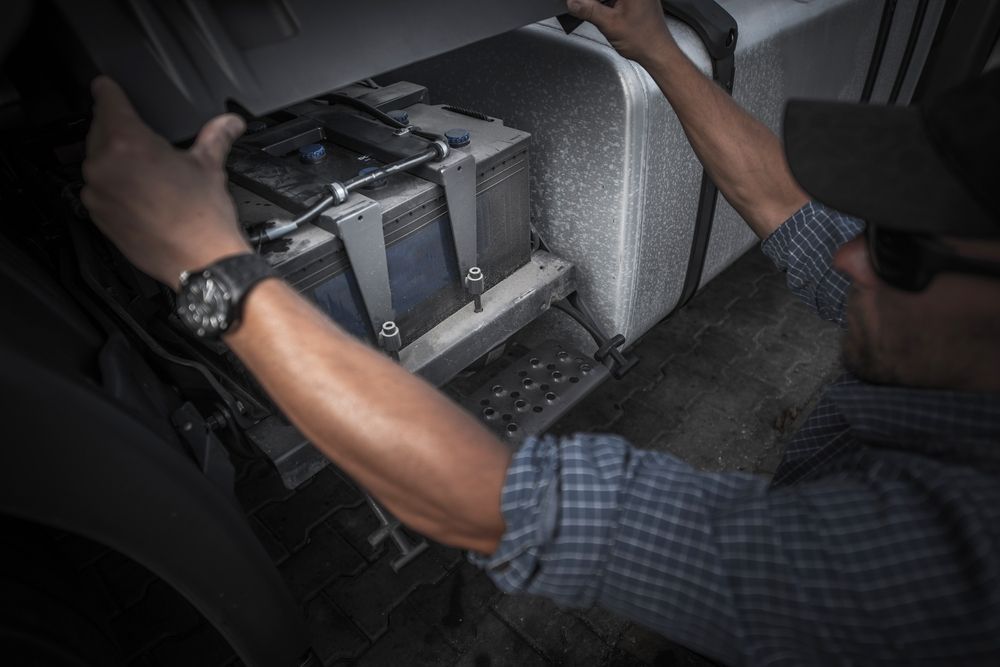
Truck Repairs Port Macquarie Heavy Vehicle Battery Maintenance
By BDM Heavy Vehicle Repairs • October 5, 2026
Learn when to replace your truck battery, warning signs to watch for and how truck repairs Port Macquarie can help prevent unexpected breakdowns.
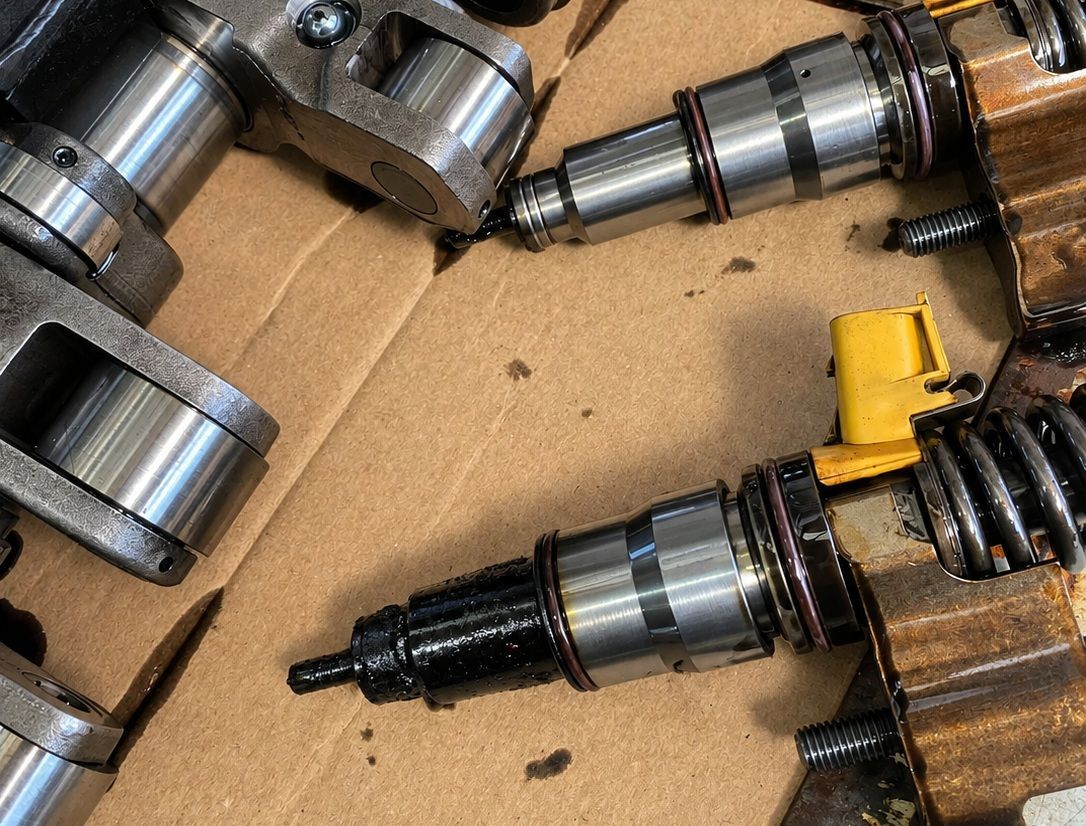
Truck Spare Parts Engine Components And Injectors
By BDM Heavy Vehicle Repairs • September 15, 2026
Discover which truck spare parts vehicle owners should keep on hand, why quality and correct fitment matter, and when to book professional repairs.

truck repairs Port Macquarie
By BDM Heavy Vehicle Repairs • August 13, 2026
For drivers needing truck repairs in Port Macquarie, knowing the right steps before it happens could protect your licence, your load and your life.
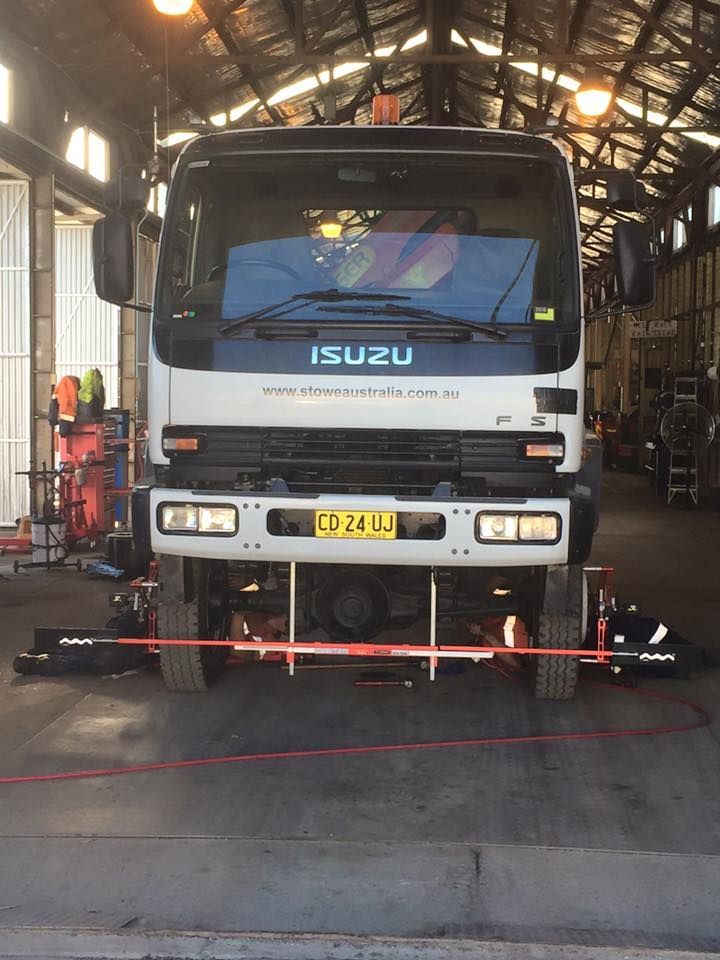
Isuzu truck undergoing wheel alignment in a commercial workshop.
By BDM Heavy Vehicle Repairs • July 15, 2026
Regular wheel alignment protects your truck's tyres, handling and safety. Learn how often it's needed and where to get truck repairs in Port Macquarie.
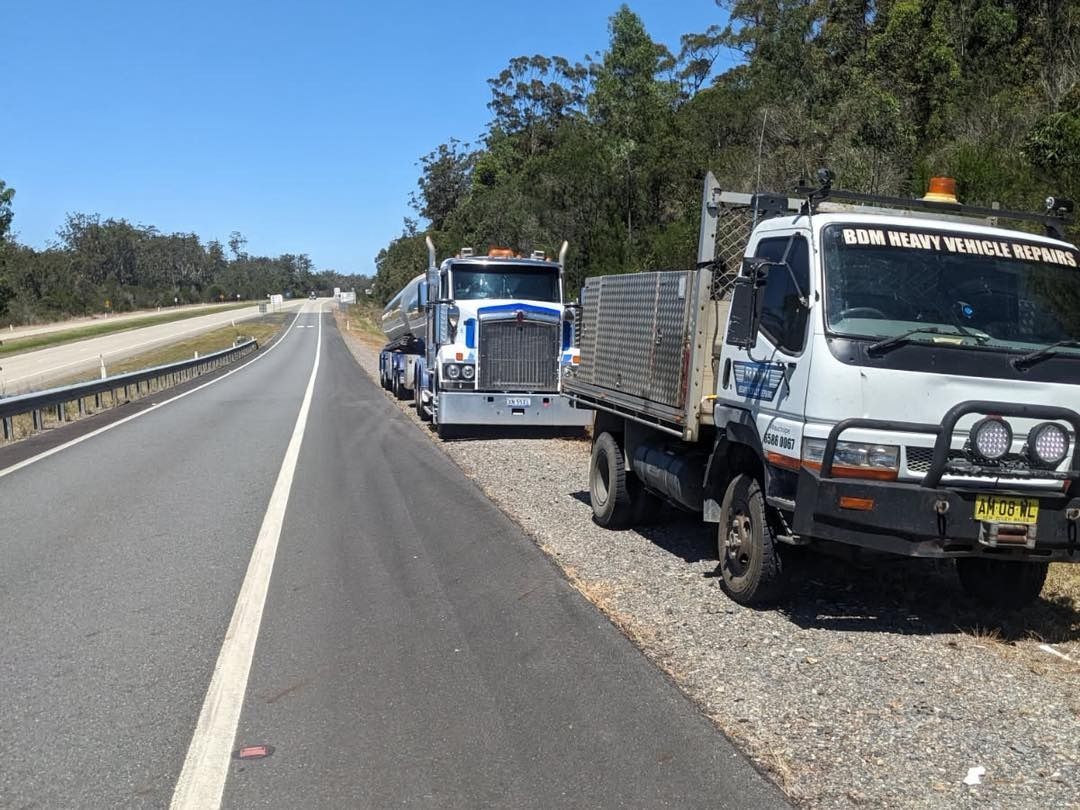
Heavy vehicle repair truck assisting a broken down semi trailer on roadside along a rural highway.
By BDM Heavy Vehicle Repairs • April 16, 2026
Avoid costly downtime by understanding common causes of heavy vehicle breakdowns. Learn when to book truck repairs in Port Macquarie. Read more.
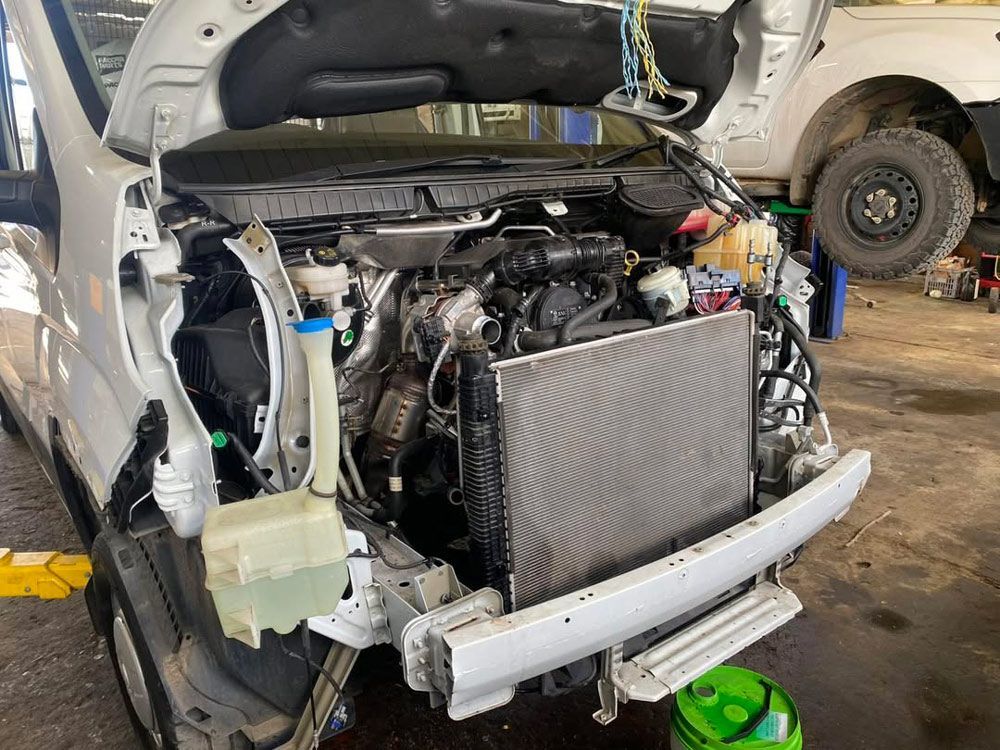
Truck Maintenance in An Auto Shop
By BDM Heavy Vehicle Repairs • March 24, 2026
Cut costs and reduce downtime with expert truck maintenance and truck service in Port Macquarie. Learn when to book truck repairs. Read more.
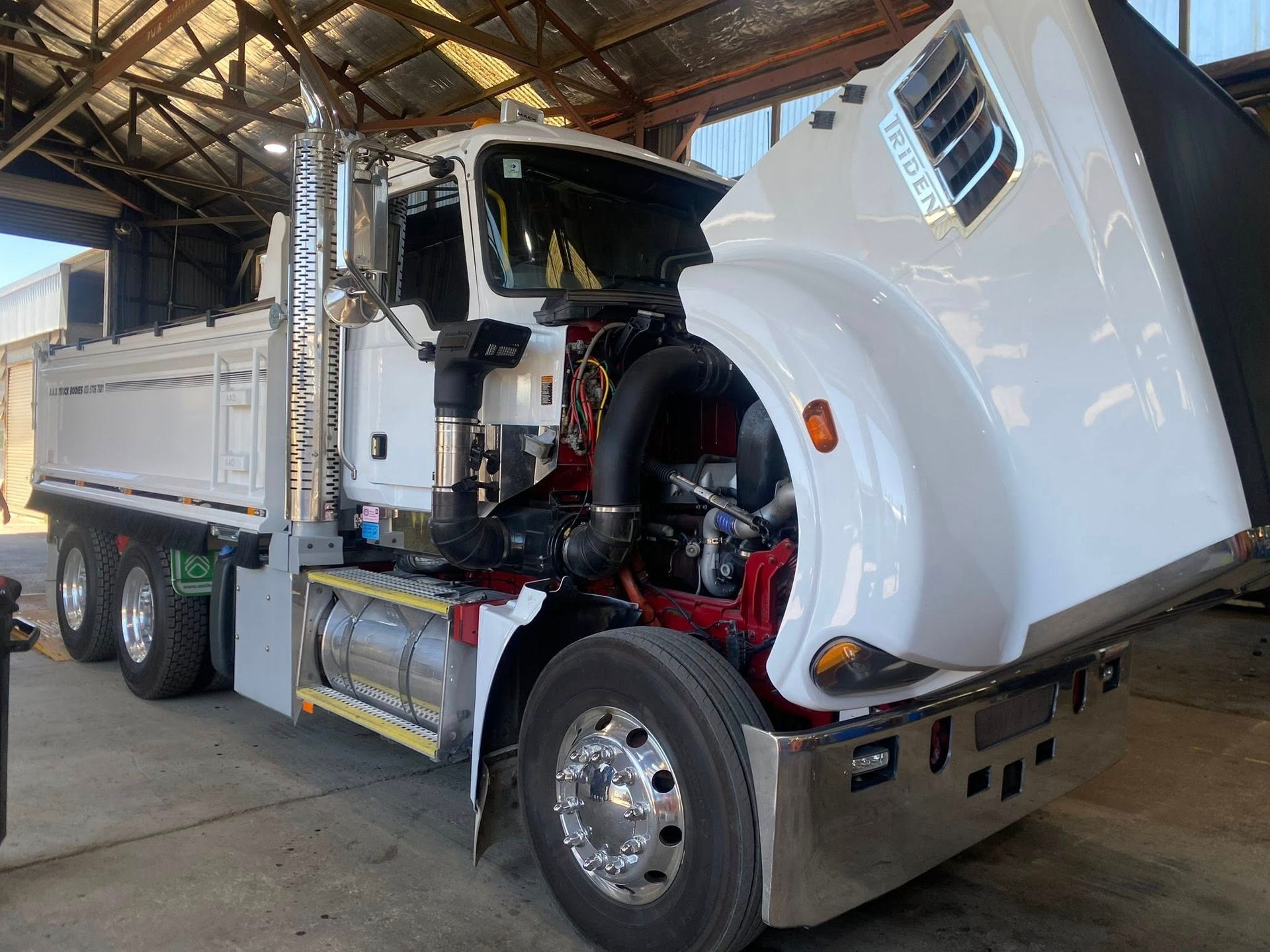
An Inspection Check On A White Truck
By BDM Heavy Vehicle Repairs • March 3, 2026
Stay road ready with truck repairs in Port Macquarie, truck service and maintenance, pre trip inspection tips. Check your vehicle before you go.
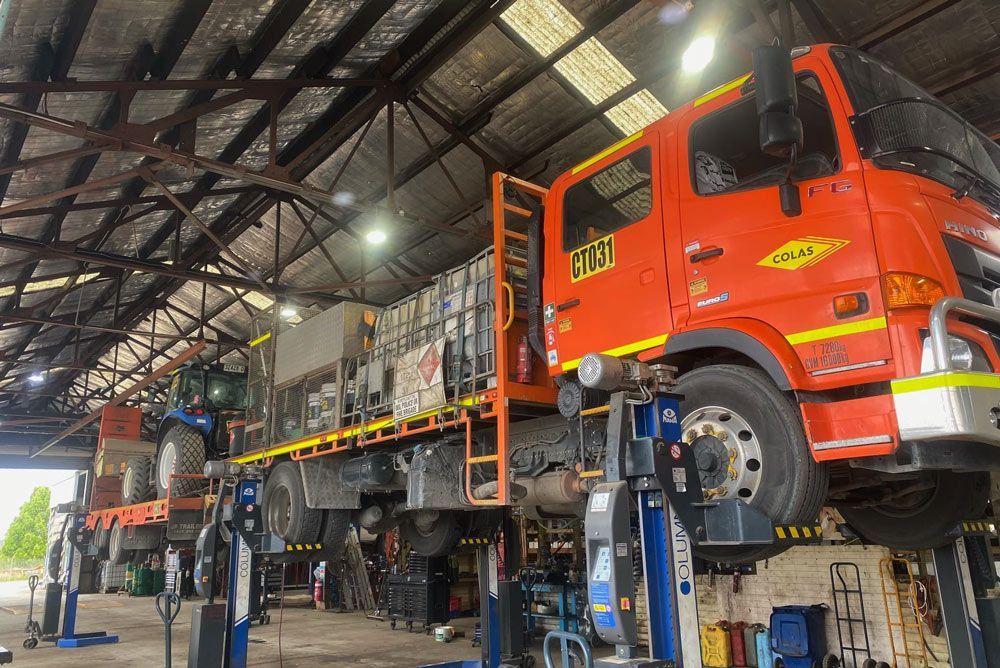
An Annual Heavy Vehicle Inspection In Port Macquarie
By BDM Heavy Vehicle Repairs • January 7, 2026
Learn what to expect from annual heavy vehicle inspections and compliance. Get reliable truck repairs in Port Macquarie and book today.
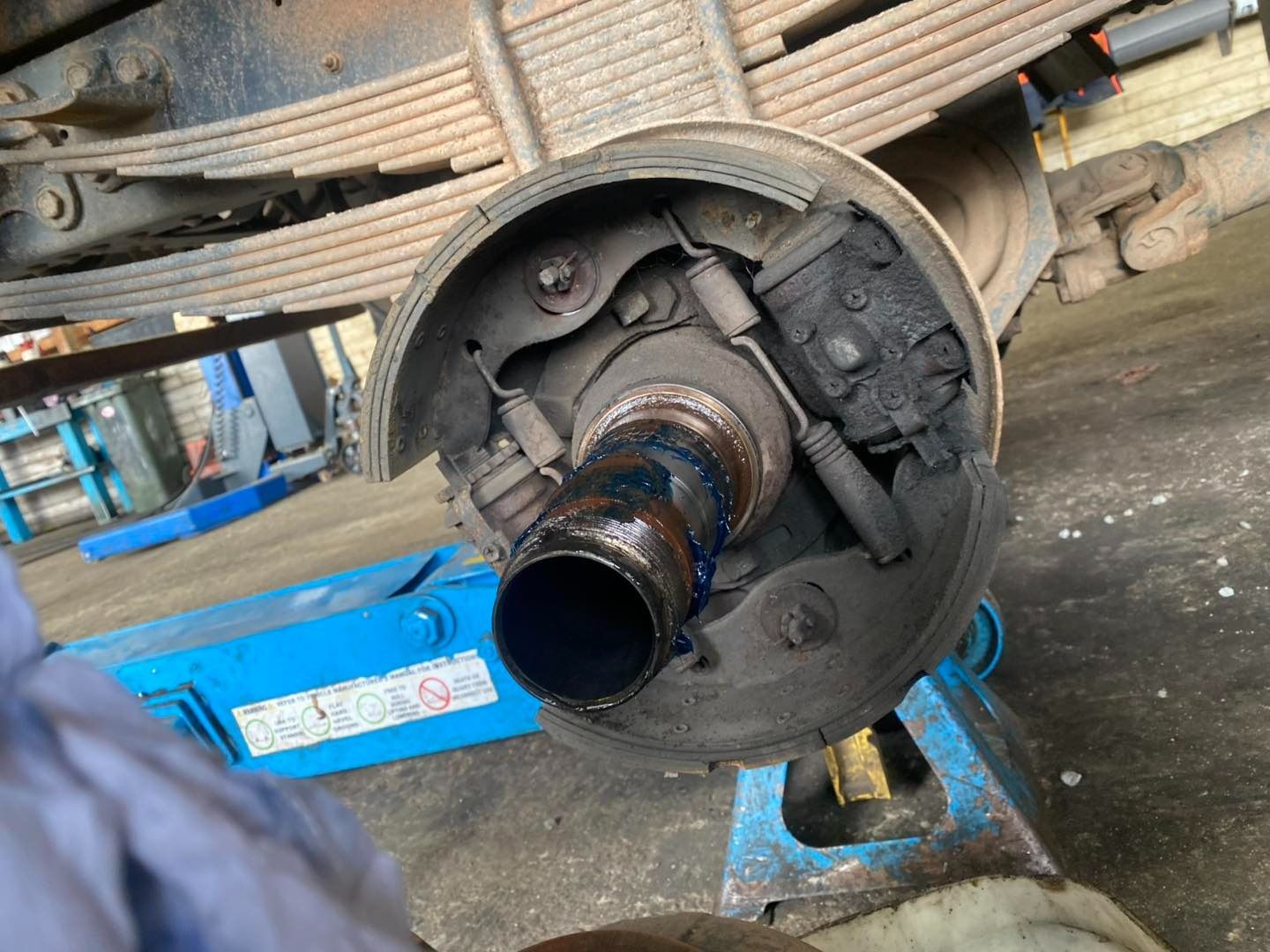
Close-up of a Vehicle's Exposed Wheel Hub
By BDM Heavy Vehicle Repairs • November 7, 2025
Keep your fleet running smoothly with expert Truck Repairs in Port Macquarie. Discover key tips to find a trusted repair partner today.