A truck pulling slightly to one side on an empty highway is easy to dismiss. Most drivers correct the steering wheel without a second thought and carry on. But that small pull is often the first sign of a wheel alignment issue, and left unchecked, it can turn into uneven tyre wear, higher fuel costs and a genuine safety concern.
Heavy vehicles carry significant loads over long distances, which puts far more strain on suspension and steering components than a standard car ever experiences. Wheel alignment is one of the checks we cover as part of routine truck repairs in Port Macquarie, and it's one of those maintenance jobs that quietly protects everything else on the truck.
Why Wheel Alignment Matters for Heavy Vehicles
Wheel alignment refers to the angle at which a truck's wheels meet the road. When these angles sit outside the manufacturer's specifications, the vehicle doesn't drive as intended. Instead of rolling straight and true, the tyres scrub against the road surface at an angle, creating drag and uneven contact patches.
For heavy vehicles, this has a bigger impact than it might for a passenger car:
- Trucks carry heavier loads, so alignment errors are amplified across every axle
- Steering response becomes less predictable, particularly at highway speeds
- Suspension components wear faster when forced to compensate for misalignment
- Braking performance can be affected if wheels aren't tracking evenly
Because of the size and weight involved, even a slight misalignment on a truck can translate into a noticeable difference in handling and tyre condition within a few thousand kilometres.
Signs Your Truck Needs a Wheel Alignment
Drivers are often the first to notice when something isn't quite right, even if they can't pinpoint the exact cause. Paying attention to these early signs can save a lot of money down the track.
- The steering wheel pulls to one side on a flat, straight road
- The steering wheel sits off-centre when driving straight ahead
- Tyres show uneven wear, particularly on the inner or outer edges
- Vibration or wandering is felt through the steering, especially at speed
- Tyres squeal or wear faster than expected between rotations
None of these symptoms should be ignored. They tend to get worse over time, and the longer misalignment continues, the more expensive the resulting tyre and suspension damage becomes.
How Often Should Truck Repairs in Port Macquarie Include Alignment Checks?
There's no single answer that suits every truck, since alignment needs depend on how the vehicle is used. As a general guide, most heavy vehicle manufacturers recommend an alignment check every 20,000 to 30,000 kilometres, or at least once a year for trucks that don't cover long distances regularly. If your truck is due for a service, our team offers
truck repairs in Port Macquarie, including full wheel alignment checks.
Certain conditions call for more frequent checks:
- Trucks that regularly travel on rough, unsealed or pothole-affected roads
- Vehicles that have recently had suspension, steering or tyre work done
- Trucks that have hit a kerb, pothole or other obstacle at speed
- Fleet vehicles that carry heavy or uneven loads on a regular basis
Regional routes around Port Macquarie and the surrounding areas can include a mix of highway driving and rougher local roads, so it's worth having alignment checked a little more often than the minimum guideline if your truck covers this kind of terrain.
The Role of Specialised Equipment in Accurate Alignment
Wheel alignment on a heavy vehicle isn't something that can be judged by eye or estimated with basic tools. Trucks have multiple axles, heavier components and tighter tolerances than smaller vehicles, which means the equipment used has to be built for the job.
Proper alignment work typically involves:
- Laser or computerised alignment systems designed for multi-axle trucks
- Equipment capable of measuring caster, camber and toe angles precisely
- Axle alignment tools that account for trailer and drive axle positioning
- Calibrated measuring systems that meet manufacturer specifications
Without this kind of equipment, it's difficult to get an accurate reading, and an inaccurate alignment can do more harm than good. It might mask a problem temporarily while allowing uneven wear to continue underneath.
Why Trained Technicians Make the Difference
Equipment is only half the equation. Interpreting the readings and adjusting a heavy vehicle's alignment correctly requires a solid understanding of how trucks are built and how they behave under load.
A trained technician will typically:
- Assess the full suspension and steering system before making adjustments
- Check for worn components that could affect alignment results
- Understand how load distribution changes alignment requirements
- Adjust each axle individually rather than treating the truck as a single unit
This is particularly important for prime movers and trailers, where axle alignment between the two needs to work together. Getting one axle right while ignoring the others can still leave a truck tracking unevenly on the road.
Risks of Skipping Regular Alignment
Putting off a wheel alignment check might not seem urgent, especially if the truck still drives reasonably well. However, the risks tend to build up gradually rather than appearing all at once.
Skipping regular checks can lead to:
- Premature tyre replacement, which adds up quickly across multiple axles
- Reduced control when braking or cornering, particularly in wet conditions
- Extra strain on suspension and steering components, leading to earlier repairs
- Reduced fuel efficiency due to increased rolling resistance
For fleet operators, these costs multiply across every vehicle in the fleet. A truck that's slightly out of alignment might not seem like a major issue on its own, but across a fleet of ten or twenty vehicles, the cumulative cost of tyre replacement and repairs becomes significant.
How Alignment Affects Tyre Wear and Fuel Efficiency
Tyres are one of the more expensive ongoing costs for any heavy vehicle operator, so it makes sense to protect that investment. Getting a professional
heavy vehicle wheel alignment regularly can help extend the life of your tyres and keep your fleet running safely.
Correct alignment supports:
- Even tread wear across the full width of each tyre
- Reduced rolling resistance, which supports better fuel economy
- Longer intervals between tyre replacements
- More predictable handling, particularly important when carrying heavy loads
Fuel is one of the largest ongoing expenses for any transport operation, and even a small reduction in rolling resistance across a fleet can make a measurable difference over a year of operation.
Building Alignment Checks into Your Maintenance Schedule
Rather than waiting for a noticeable symptom, it's worth treating wheel alignment as a standard part of routine maintenance. Regular
truck wheel alignment checks are one of the simplest ways to avoid uneven tyre wear.
Consider building alignment checks into your schedule at these points:
- During scheduled services, alongside brake and suspension inspections
- After any new tyre fitment, to ensure even wear from the start
- Following any suspension or steering repair work
- After hitting a pothole, kerb or other road hazard
Treating alignment as a routine check rather than a reactive fix makes it easier to plan for and budget around, and it reduces the likelihood of unexpected downtime.
Get Your Truck's Alignment Checked
We at
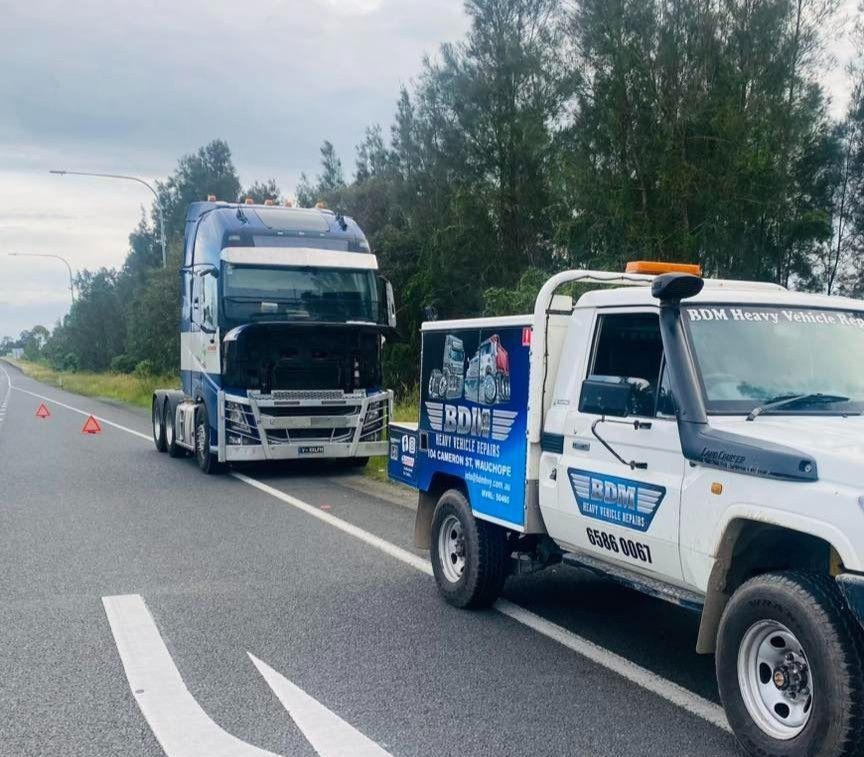
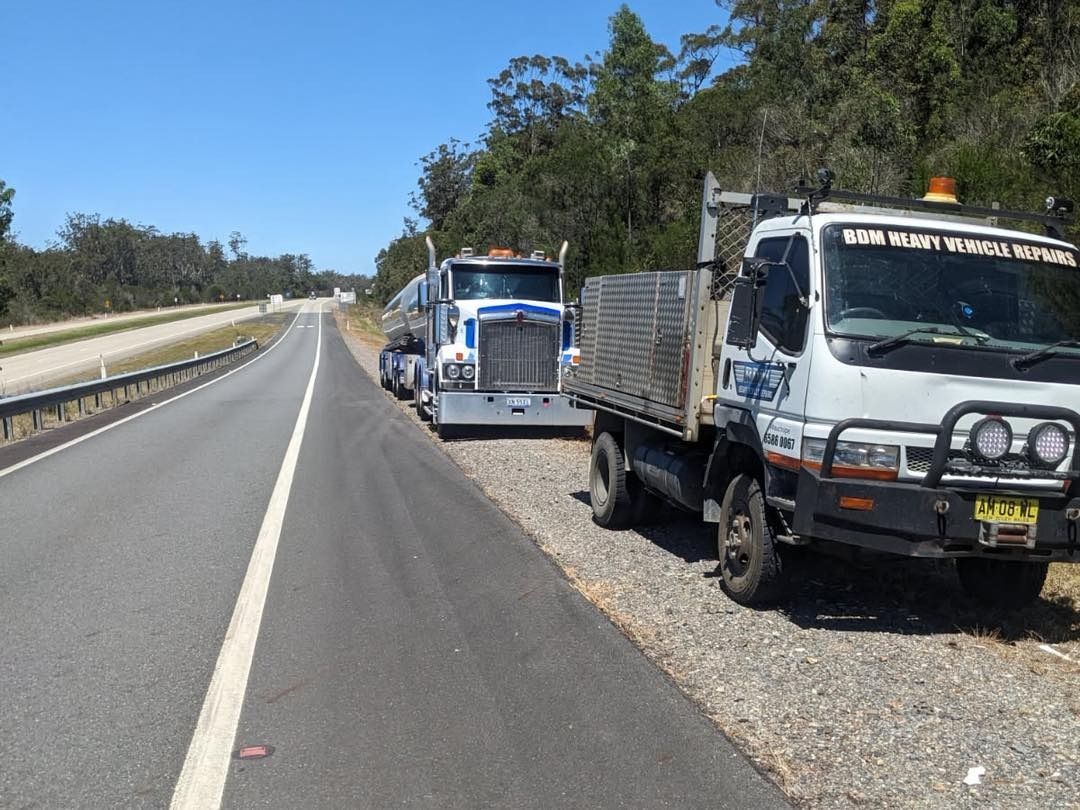
BDM Heavy Vehicle Repairs understand how much wear and tear the local roads around Port Macquarie can put on a truck, particularly for vehicles running regular routes between the coast and inland areas. Our workshop is equipped to carry out thorough wheel alignment checks and broader truck repairs in Port Macquarie, using equipment suited to the size and weight of heavy vehicles.
If your truck has been pulling to one side, showing uneven tyre wear or is simply due for its scheduled service,
get in touch with our team to book a check. Catching alignment issues early is a straightforward way to protect your tyres, your fuel costs and your safety on the road.
Frequently Asked Questions
How long does a heavy vehicle wheel alignment take?
The time required depends on the size of the vehicle and whether any adjustments are needed beyond the initial check. A straightforward alignment on a single truck might take under an hour, while a prime mover and trailer combination, or a vehicle with worn components, can take longer.
Can I tell if my truck needs an alignment just by looking at the tyres?
Uneven wear patterns, particularly on the inner or outer edges of the tread, are a strong indicator that alignment may be off. However, a proper check with calibrated equipment is the only way to confirm the exact angles and identify which axle is affected.
Does wheel alignment affect braking performance?
Yes. When wheels aren't tracking correctly, braking force isn't distributed evenly across all tyres, which can extend stopping distances and reduce control, particularly in wet weather or emergency braking situations.
Is wheel alignment different for trucks compared to cars?
Yes. Heavy vehicles often have multiple axles, greater load requirements and different suspension setups compared to passenger cars, which means alignment work requires equipment and technicians specifically experienced with heavy vehicles rather than standard automotive tools.