Essential Pre-Trip Checks For Heavy Vehicles: A Complete Checklist
When you operate a heavy vehicle, preparation is part of the job. Whether you’re running freight up the highway, servicing regional routes or managing a fleet, a thorough pre-trip inspection helps reduce risk before you leave the yard. While daily checks can’t replace scheduled servicing, they act as the first line of defence against breakdowns, compliance issues and avoidable safety concerns.
For drivers and operators seeking dependable truck repairs in Port Macquarie, a truck service in Port Macquarie or ongoing truck maintenance in Port Macquarie, combining structured pre-trip checks with workshop support is a practical way to keep vehicles safer and more reliable on the road.
Below is a complete yet manageable checklist designed to support heavy vehicle drivers before every trip.
Why Pre-Trip Inspections Matter
Heavy vehicles operate under load, across long distances and in changing weather conditions. Small faults can escalate quickly once you’re travelling at speed or carrying weight. Identifying issues early helps prevent roadside breakdowns and reduces the likelihood of costly delays.
A consistent pre-trip routine helps you:
- Spot visible wear or damage
- Reduce unplanned downtime
- Maintain roadworthiness compliance
- Improve vehicle reliability
- Support safer driving conditions
Pre-trip inspections are also valuable for tracking developing issues that can be addressed during scheduled servicing.
1. Start With A Walk-Around Inspection
Before starting the engine, conduct a slow walk-around of the entire vehicle and trailer combination.
Look for:
- Fresh oil, coolant or fuel leaks on the ground
- Loose panels, guards or steps
- Hanging air lines or electrical cables
- Visible impact damage
- Debris lodged around wheels
- Obstructions beneath the vehicle
A visual scan often reveals problems that aren’t obvious from inside the cab. If something appears different from the previous day, investigate further.
2. Check Tyres And Wheels
Tyre-related faults are among the most common causes of heavy vehicle breakdowns.
Inspect:
- Tyre pressure
- Sidewall cuts, bulges or cracks
- Tread depth and uneven wear
- Objects between dual tyres
- Loose or missing wheel nuts
- Damaged or cracked rims
Uneven tyre wear may signal alignment or suspension concerns that should be addressed during truck maintenance in Port Macquarie. Catching tyre damage early can help prevent blowouts under load.
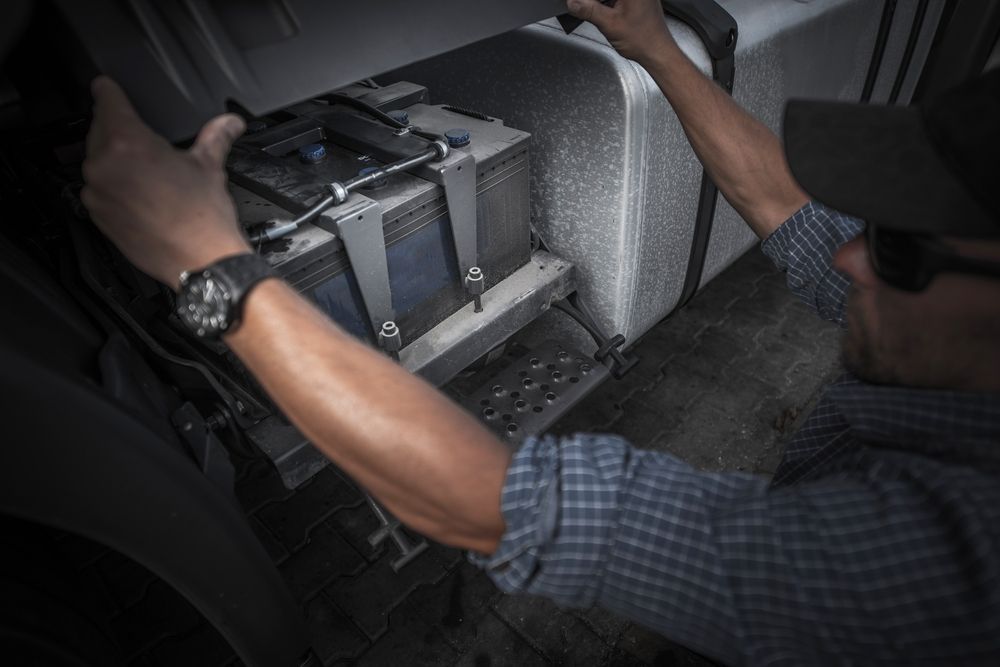
3. Inspect Lights And Electrical Components
Working lights are essential for safety and compliance.
Test:
- Headlights (high and low beam)
- Indicators and hazard lights
- Brake lights
- Marker and clearance lights
- Reverse lights (if fitted)
- Trailer plug connections
Check for corroded terminals or exposed wiring. Repeated electrical faults may indicate deeper wiring or charging issues requiring attention from a workshop rather than simply replacing globes.
4. Windscreen, Wipers And Mirrors
Clear visibility is critical in heavy vehicles.
Check:
- Windscreen cracks or chips
- Wiper blade condition
- Washer fluid level
- Mirror alignment and stability
Even small cracks can expand due to vibration and temperature changes. Address visibility issues before they worsen.
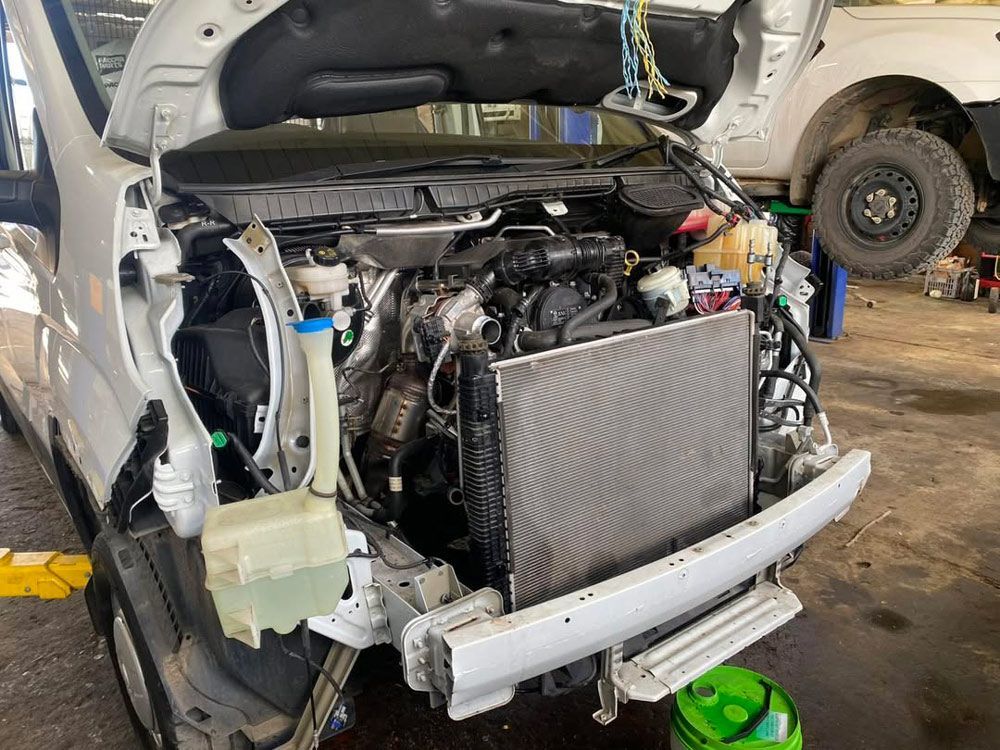
5. Engine Bay Inspection
A basic engine check can reveal early warning signs.
Look for:
- Correct engine oil level
- Coolant level within range
- Power steering fluid (if applicable)
- Frayed or cracked belts
- Loose or damaged hoses
- Signs of fluid spray
Repeated topping up of fluids without identifying the cause may indicate leaks that should be assessed during truck service in Port Macquarie.
6. Fuel And AdBlue Levels
Running out of fuel is inconvenient. Running low on AdBlue in compatible systems can affect performance and compliance.
Check:
- Fuel level for planned distance
- Tank cap security
- Signs of fuel leaks
- AdBlue level (where applicable)
A strong fuel smell or visible leak should be addressed before departure.
7. Air System And Brake Check
The air system is central to braking performance in heavy vehicles.
Check:
- Air pressure build-up time
- Gauge readings within normal range
- Audible air leaks
- Brake pedal feel and response
- Trailer air connections
Drain air tanks if required. If pressure behaves differently than usual or leaks are detected, arrange truck repairs in Port Macquarie before undertaking long-distance travel.
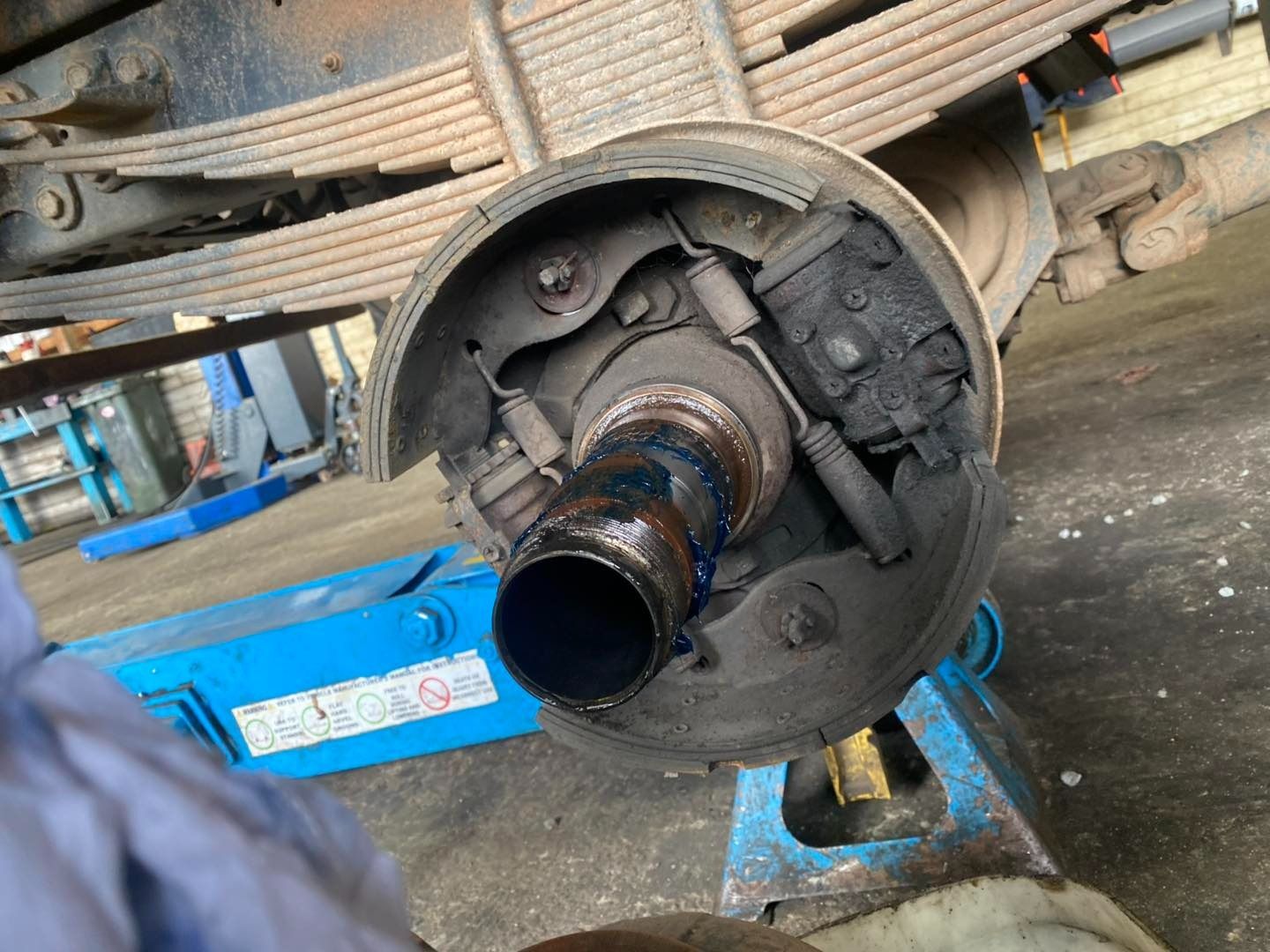
8. Suspension And Steering Components
While drivers cannot dismantle suspension components roadside, a visual check helps spot obvious issues.
Inspect:
- Sagging or uneven ride height
- Damaged leaf springs
- Airbag wear or cracks
- Loose mounting bolts
For steering, notice excessive play, stiffness or pulling to one side. These symptoms may require further investigation.
9. Coupling And Trailer Connection
If operating a prime mover and trailer combination, check coupling components carefully.
Confirm:
- Fifth wheel locking mechanism secure
- Kingpin condition
- Safety chains (if required)
- Air lines and electrical connections seated properly
A visual check combined with a gentle tug test helps confirm correct engagement.
10. Load Security
Load shifts can affect vehicle handling and braking distance.
Check:
- Restraints secure and undamaged
- Even weight distribution
- Gates, latches and doors closed
- Tarps properly secured
Even minor movement can compromise stability, particularly on uneven roads.
11. Cabin Inspection
Inside the cab, ensure essential systems are functioning.
Test:
- Seatbelt condition
- Horn
- Dashboard warning lights
- Brake and clutch pedal feel
- Demister and air conditioning
- Instrument readings
Persistent warning lights should not be ignored. If they remain illuminated, further diagnostic checks may be required.
12. Start-Up And Idle Observation
Once the engine is running, listen and observe.
Watch for:
- Unusual knocking or squealing
- Excessive smoke
- Delayed air pressure build
- Abnormal voltage readings
- Rough idle
Subtle changes in sound or response can signal developing mechanical or electrical faults.
The Importance Of Recording Defects
A thorough pre-trip inspection is only effective if issues are documented.
Best practice includes:
- Logging faults immediately
- Reporting to fleet managers or maintenance staff
- Photographing visible damage
- Noting recurring issues
Clear reporting helps workshops diagnose patterns and reduces the risk of unresolved problems.
What Drivers Can’t See
Even a careful daily inspection has limitations. Some issues develop internally or electronically and require diagnostic tools.
Examples include:
- Sensor and ECU faults
- Alternator charging irregularities
- Internal brake wear
- Cooling system problems
- Driveline vibration causes
This is why scheduled servicing complements daily checks. Workshop inspections provide deeper mechanical and electrical assessment beyond what’s visible roadside.
Combining Pre-Trip Checks With Regular Servicing
Daily inspections help identify surface-level concerns, while scheduled servicing addresses wear and internal components.
A practical maintenance approach includes:
- Daily visual inspections
- Prompt repair of logged defects
- Regular manufacturer-recommended servicing
- Periodic comprehensive inspections
This balanced approach supports safer operations and reduces unexpected downtime.
When To Arrange Repairs Before Departure
Certain warning signs should trigger immediate assessment:
- Air pressure instability
- Persistent warning lights
- Steering irregularities
- Significant fluid leaks
- Brake performance changes
- Rapid tyre pressure loss
Addressing these early may prevent larger mechanical failures later.
Truck Maintenance In Port Macquarie – Supporting Reliable Operations
Pre-trip inspections are a practical habit that supports safer and more reliable journeys. They help drivers detect visible issues before departure, but they work best when supported by consistent workshop servicing and mechanical expertise.
At
BDM Heavy Vehicle Repairs, we provide
truck repairs, servicing and ongoing truck maintenance in
Port Macquarie, helping heavy vehicles stay roadworthy and prepared for demanding workloads. To
arrange servicing or discuss inspection support, visit our website.